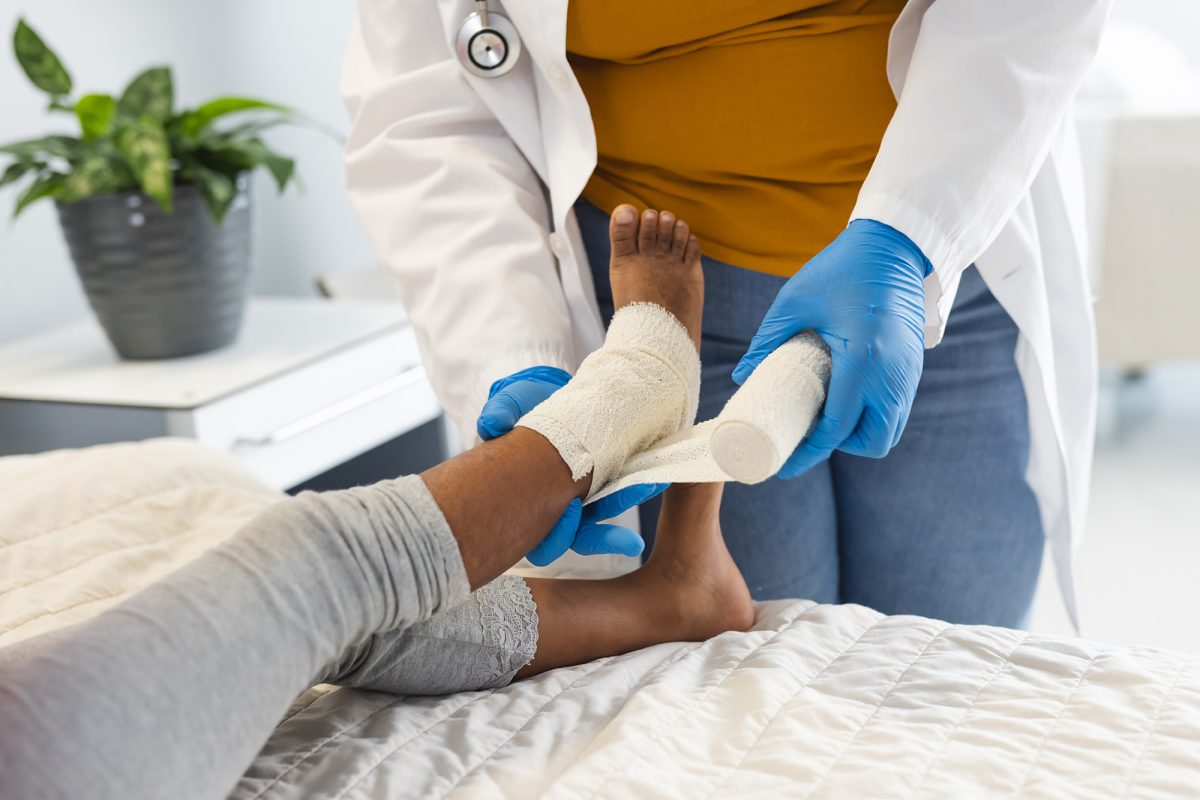
Flying hospitals face crazy demands. A tiny helicopter cabin must serve as an ER, ICU, and ambulance. Engineers balance weight limits, power demands, and regulations while fitting in costly equipment. They somehow succeed. Flying medical units save many lives annually, with interior design being a crucial, often overlooked, factor.
Workflow Shapes Everything
Seconds kill in emergency medicine. A nurse fumbling for medication wastes precious time. Doctors reaching across each other cause mistakes. Good design puts everything exactly where hands expect to find it. Cabinet layouts follow hospital patterns whenever possible. Trauma nurses know where cardiac drugs are without thinking. That muscle memory transfers directly to the aircraft. No retraining needed. No confusion during critical moments. The familiar becomes a comfort during chaos.
Smart storage uses every corner. Ceiling nets hold lightweight supplies. Floor compartments store heavy equipment low for better weight distribution. Side panels flip open to reveal organized medication trays. Nothing wastes space, yet nothing feels cramped. It’s like watching a Swiss watchmaker organize tools; everything has its perfect spot.
Safety Without Compromise
Turbulence turns loose objects into weapons. A flying stethoscope sounds funny until it hits someone’s eye. An unsecured oxygen tank becomes a torpedo during a hard landing. Everything needs bombproof mounting that still allows quick access. New locking mechanisms feel almost magical. Push a button, equipment releases instantly. Let go, and it locks down tight enough to survive a crash. Testing involves actual impact studies with crash-test dummies and high-speed cameras. Manufacturers invest vast sums to guarantee their mounting systems’ reliability in critical situations.
Patient harnesses have advanced from simple straps to complex systems. Strong body parts absorb the force when five-point restraints are utilized. Quick-release buckles let medical teams start CPR in seconds. Padding prevents pressure sores during long flights. Kids get special pediatric restraints that adjust from newborn to teenager size.
The Space Management Puzzle
Air ambulance interiors squeeze maximum function from minimum space. Companies like LifePort lead this field, creating layouts that seem to defy physics. Their modular systems let operators reconfigure cabins for different missions without major reconstruction. Morning neonatal transport, afternoon trauma run, evening hospital transfer; each needs different equipment arrangements, and their designs handle the changes smoothly.
Hidden infrastructure makes the magic possible. Oxygen lines disappear behind panels. Power cables run through hollow frame members. Ventilation ducts double as equipment rails. What looks simple actually involves incredibly complex engineering. The area looks open and tidy because clutter is hidden away.
Climate control involves more than just temperature regulation. Each zone has its own unique temperature. The medication cabinet stays cool, and the infant warmer runs hot. The crew area remains comfortable. Computers manage airflow patterns that prevent hot spots while maintaining positive pressure to keep contaminants out.
Building for the Future
Medical technology changes fast. Five years from now, standard equipment will look completely different. Portable MRI machines might become common. Artificial intelligence could guide treatment decisions. Robot assistants might handle basic tasks. Nobody knows exactly what’s coming.
Flexible mounting grids accept different equipment sizes. Universal power supplies handle varying electrical needs. Data networks support devices that haven’t been invented yet. The smartest operators buy adaptability rather than locking themselves into current technology.
Conclusion
Great medical interior design disappears into the background. Crews don’t notice it because nothing gets in their way. Patients don’t think about it because they feel safe and calm. But when designers get it right, survival rates go up. Medical teams work faster with fewer errors. Patients arrive at hospitals in better condition. Those improvements translate directly into lives saved and families kept whole. The cabin itself becomes part of the cure.
About the Author