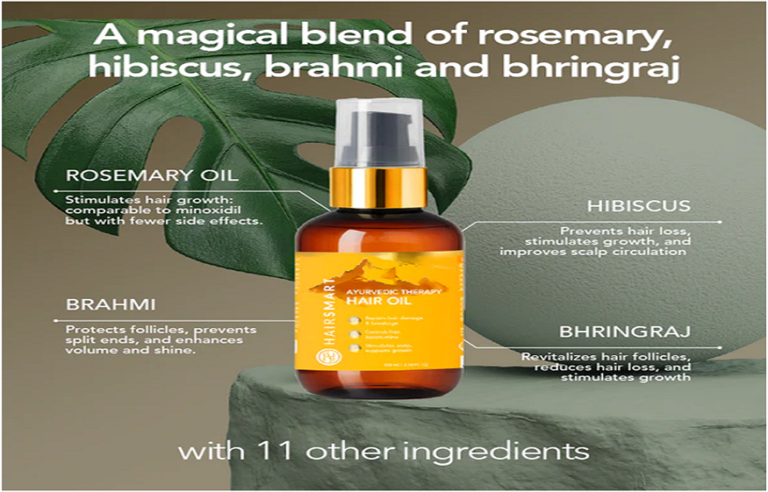
Rosemary oil has had a strange journey: from a kitchen herb your grandmother grew in a windowsill pot to one of the most searched ingredients in hair care today. But unlike most trends that fade as fast as they rise, this one has staying power, because the science behind it actually holds up. If you’ve been noticing more strands in your brush or a widening part line, you should understand rosemary oil properly, not just apply it randomly and hope for the best.
Why Rosemary Oil Actually Works For Hair Loss
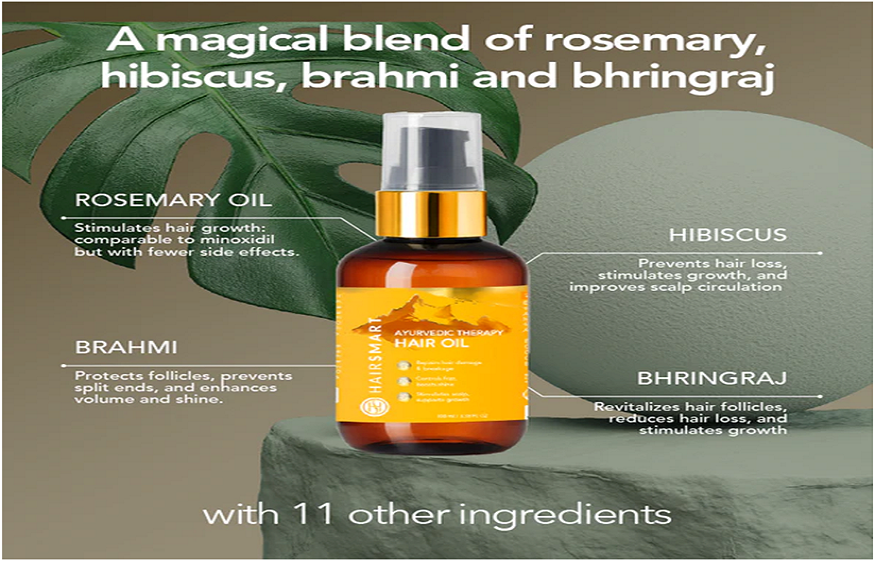
Rosemary contains carnosic acid, a compound known for its antioxidant and circulation-supporting properties. Improved scalp circulation matters more than most people realize. Hair follicles with better blood flow get more oxygen and nutrients delivered directly to the root, so they grow better. Some research has even compared rosemary oil to minoxidil for density improvement over several months of consistent use, which is part of why it’s earned a permanent place in natural hair growth oil formulations rather than staying a passing trend.
It also has a secondary benefit that gets overlooked: rosemary is naturally antimicrobial, which helps keep the scalp environment clean and reduces the kind of buildup and inflammation that can quietly stall growth over time.
Rosemary Oil Rarely Works Alone
Here’s where most DIY routines go wrong. Rosemary oil is potent, but it’s rarely meant to be used as a standalone hair growth oil straight from the bottle. It needs a base oil to carry it, dilute its intensity, and add its own nourishing properties, which is exactly the thinking behind HairSmart’s Ayurvedic Therapy Oil, where rosemary is paired with traditional Ayurvedic herbs rather than left to work in isolation.
Read More; Reclaim Your Confidence with Scalp Micropigmentation in Findlay
This is also where Ayurveda has a genuine edge over generic rosemary blends. Ingredients like neem bring antibacterial, scalp-clarifying support, while Anantmool has long been used in Ayurvedic hair therapy to nourish the follicle and calm scalp irritation. Combined with rosemary’s circulation benefits, you get a formula that addresses hair loss from multiple angles instead of just one, which is really what separates the best hair oil for hair growth from an oil that simply smells nice.
How To Actually Use Rosemary Oil For Hair Growth
- Warm a small amount between your palms before applying. This isn’t just tradition; it genuinely helps the oil spread more evenly and absorb faster.
- Section your hair and apply directly to the scalp using your fingertips, massaging in slow circular motions for three to five minutes. This step matters as much as the oil itself, since massage is what stimulates the circulation rosemary is meant to support.
- Leave it on overnight or at least 30 minutes before hair wash. Two to three times a week is enough for most people. Daily use isn’t necessary and can leave fine hair looking flat.
Matching The Oil To Your Scalp Type
Rosemary is an essential oil and should not be applied directly to the scalp, but should be mixed with a carrier oil to dilute the potency. But not every scalp responds the same way to the same base, and this is where most people sabotage their own routine:
Read More: Tennessee Men’s Clinic Discusses How to Develop a Reading Habit
- Oily or acne-prone scalp: Look for lighter carrier oils like sesame or a fine-textured herbal base, so the formula absorbs rather than sitting on the scalp and worsening buildup.
- Dry, flaky, or itchy scalp: Richer bases work better here, since they lock in moisture over longer stretches between washes and calm the irritation that often accompanies flaking.
- Fine or thinning hair: A lighter application, focused at the roots rather than saturating the lengths, prevents the weighed-down look that discourages people from sticking with an oiling routine in the first place.
- Coarse or textured hair: Can typically handle a richer, deeper-penetrating base without any risk of looking greasy, making it easier to apply more generously.
HairSmart’s Ayurvedic Therapy Oil is formulated with this variation in mind, which is part of why it works across a wider range of scalp types than single-note rosemary oils tend to.
The Bottom Line
Rosemary oil earns its reputation, but the base it’s mixed with is what determines whether that reputation translates into results on your specific scalp. A thoughtfully built hair growth oil blended with rosemary and Ayurvedic herbs suited to your scalp’s needs will always outperform rosemary used on its own. Give it eight to twelve weeks of consistent use before judging results; hair growth is slow by nature, and the oils that work with it are the ones you stick with, not the ones you rush.
About the Author