
For patients dealing with chronic wounds, mobility challenges, or complex medical conditions, traveling to a clinic for frequent appointments can be difficult and stressful. That’s why bedside wound care is such a valuable and compassionate service. By bringing advanced wound treatment directly to the patient, bedside care improves access, comfort, and overall healing outcomes.
Whether provided in a hospital, skilled nursing facility, assisted living community, or private home, bedside wound care ensures patients receive expert attention without the burden of transportation. In this article, we’ll explore why bedside wound care is a wonderful service and how it supports both healing and quality of life.
What Is Bedside Wound Care?
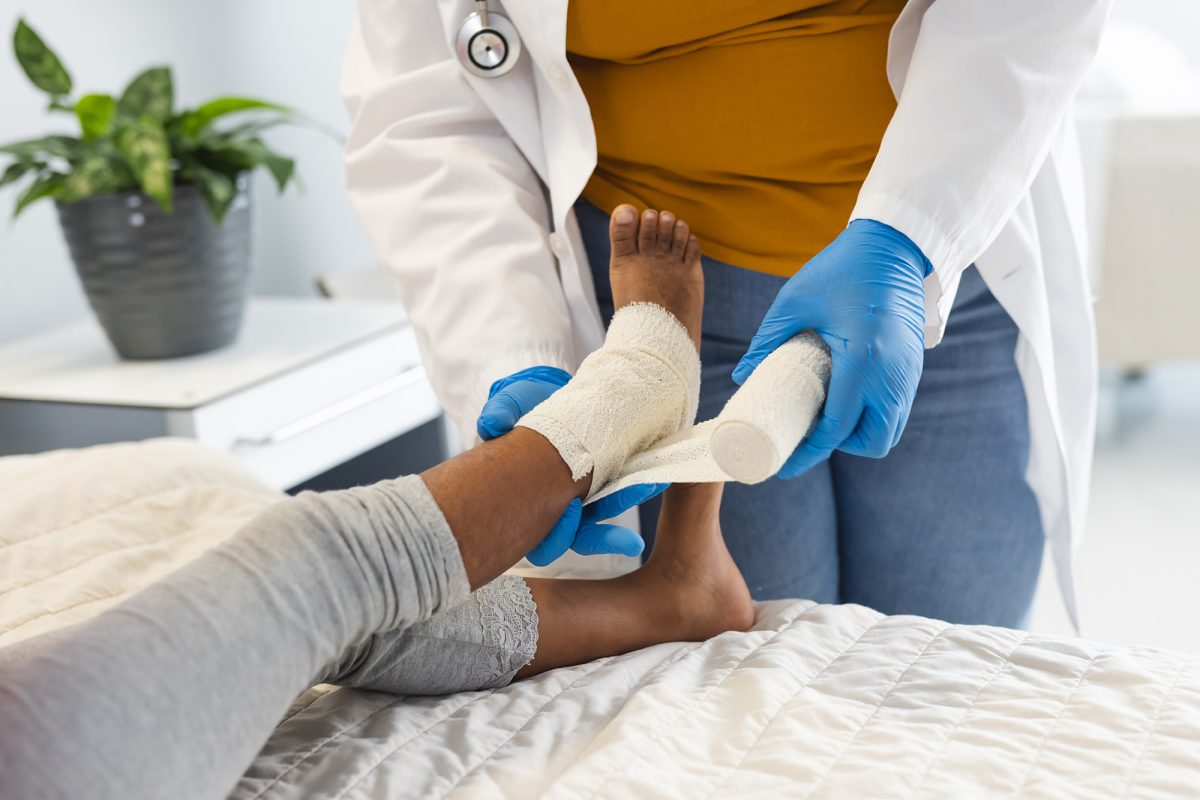
Bedside wound care refers to professional wound treatment delivered directly at a patient’s location rather than in a traditional outpatient clinic. A wound care specialist travels to the patient to assess, treat, and monitor wounds using advanced techniques and evidence-based protocols.
This service is especially beneficial for individuals who are homebound, recovering from surgery, living in long-term care facilities, or managing chronic illnesses that limit mobility.
Why Bedside Wound Care Is So Valuable
Healing requires consistency, proper technique, and close monitoring. Bedside wound care helps eliminate common barriers that can delay treatment and compromise recovery.
1. Improved Accessibility for Patients With Limited Mobility
Many patients with chronic wounds also face mobility challenges due to age, injury, surgery, or underlying conditions. Traveling to multiple appointments each week may not be realistic or safe.
Bedside wound care removes this obstacle by delivering expert care directly to the patient, ensuring they receive consistent treatment without unnecessary strain.
2. Reduced Risk of Complications
Delayed or inconsistent wound treatment increases the risk of infection and other complications. When providers deliver care at the bedside, they can closely monitor progress, identify early warning signs, and adjust treatment plans promptly.
This proactive approach supports faster healing and helps prevent minor issues from becoming serious medical concerns.
3. Personalized, One-on-One Attention
Bedside wound care allows providers to spend focused time with each patient. Without the distractions of a busy clinic environment, clinicians can thoroughly evaluate the wound, review medical history, and tailor treatments to individual needs.
This personalized care often leads to stronger patient-provider relationships and improved treatment adherence.
Services Typically Provided at the Bedside
Advanced wound care services can be delivered safely and effectively in bedside settings. Depending on the patient’s condition, services may include:
- Comprehensive wound assessments
- Sharp or conservative debridement
- Advanced dressing application
- Infection management
- Pressure injury treatment
- Diabetic wound care
- Ongoing wound monitoring and documentation
In many cases, bedside wound care is part of a coordinated care plan that includes primary care providers, specialists, and nursing staff.
Benefits for Long-Term Care and Skilled Nursing Facilities
Bedside wound care is especially impactful in long-term care environments. Residents in skilled nursing or assisted living facilities often have complex medical needs and are at higher risk for pressure injuries and chronic wounds.
Having a wound care specialist provide on-site services improves continuity of care and reduces the need for disruptive off-site appointments. Facility staff also benefit from expert guidance and collaboration, strengthening overall patient outcomes.
Comfort and Emotional Well-Being
Healing isn’t just physical—it’s emotional as well. Receiving care in a familiar environment can significantly reduce stress and anxiety. Patients often feel more relaxed and comfortable when treated in their own room or home.
This comfort can positively influence the healing process, as reduced stress supports better immune function and overall recovery.
Enhanced Coordination of Care
Bedside wound care providers frequently work alongside nurses, caregivers, and family members. This team-based approach ensures everyone understands the care plan, dressing changes, and warning signs to watch for between visits.
Improved communication leads to better compliance and more consistent wound management, both of which are critical for successful healing.
Who Benefits Most From Bedside Wound Care?
While many patients can benefit from this service, bedside wound care is especially helpful for:
- Homebound individuals
- Elderly patients with limited mobility
- Residents of nursing or assisted living facilities
- Post-surgical patients requiring frequent monitoring
- Individuals with chronic or complex wounds
A qualified provider can determine whether bedside wound care is appropriate based on the patient’s medical condition and living situation.
The Role of Advanced Technology in Bedside Wound Care
Modern bedside wound care often incorporates advanced tools and digital documentation systems. Providers can track wound measurements, capture progress photos, and coordinate remotely with other specialists when needed.
This combination of hands-on treatment and technology-driven monitoring enhances both accuracy and efficiency in patient care.
Final Thoughts: Compassion Meets Clinical Excellence
Bedside wound care is a wonderful service because it combines medical expertise with compassion and convenience. By bringing advanced wound treatment directly to patients, this approach improves accessibility, reduces complications, and supports a more comfortable healing experience.
For individuals who struggle to attend frequent clinic visits or require close monitoring, bedside wound care offers a practical and patient-centered solution. If you or a loved one could benefit from on-site wound treatment, speaking with a qualified wound care provider may be the first step toward safer, more effective healing.
About the Author